Ready to continue?
Seems like you have filled this form earlier. Let’s pick up where you left off.
Work with us to make the world more accessible.
Through advocacy, consulting, campaigns, and communication, Guide Dogs helps to ensure that workplaces, buildings, transport, and community spaces are accessible for people with low vision or blindness.
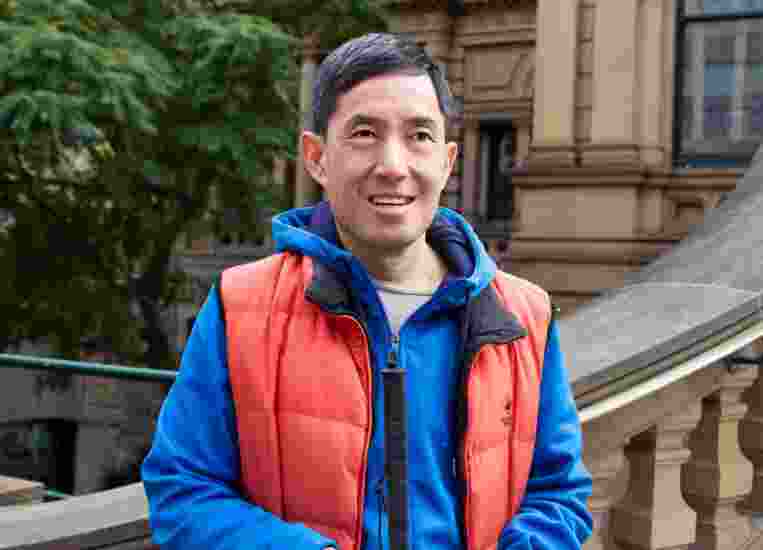
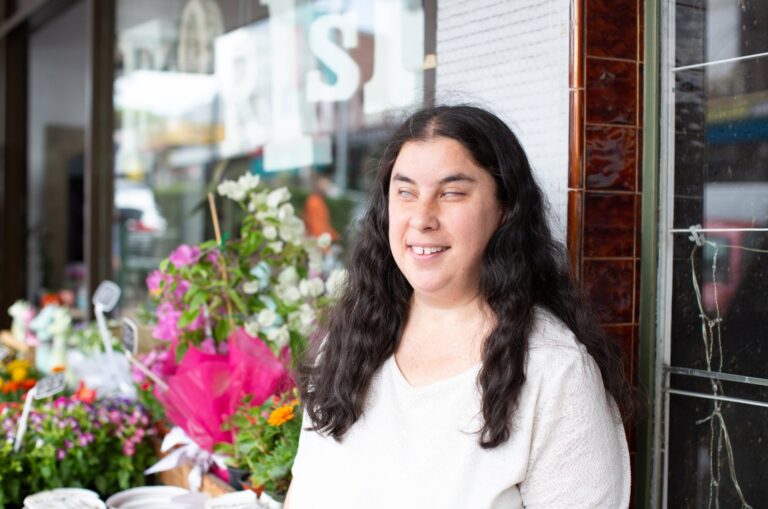
Our advocacy efforts remove barriers for people with low vision or blindness. We ensure everyone can enjoy the same experience of public transport, public places, achieve meaningful employment, and more.
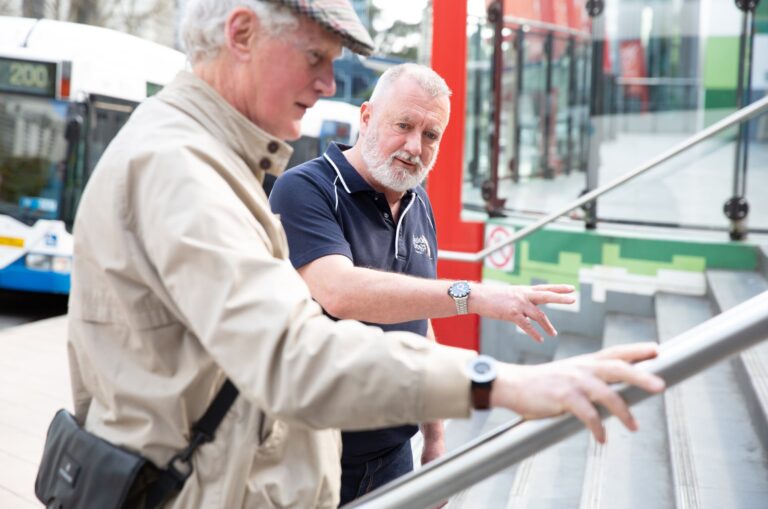
Ensuring our community is safe and accessible for people of all abilities, including people with low vision or blindness.
Access all areas.
Access is no joke.
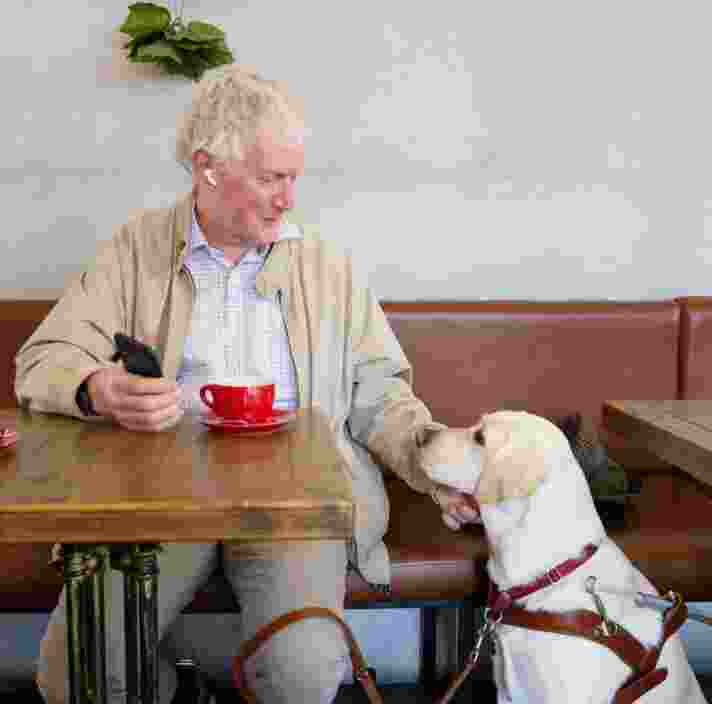
Imagine if you were refused access to a café or a restaurant, told you couldn’t stay at a certain hotel, or take transport like taxis and ride-shares, buses and trains? Many people with low vision or blindness experience access challenges just like these on a daily basis.
But it doesn’t have to be this way. Join comedian, actor and Guide Dogs Ambassador Michelle Brasier and Broden Kelly of Aunty Donna fame as they introduce our Access All Areas campaign – a campaign designed to remove barriers for people with low vision or blindness, and provoke change – because access is no joke.